ClearCook parent guide

Best First Recipes for Kids

Quick answer: The best first recipes for kids are not the fanciest ones. They are short, familiar recipes that give children a few real jobs they can manage: pouring, stirring, measuring, scooping, spreading or assembling.

A first cooking activity should be chosen by confidence level, not age alone. Start no-cook if your child is nervous, add one adult-supported hot step when they are ready, and move into baking once measuring, mixing and following steps feel calmer.

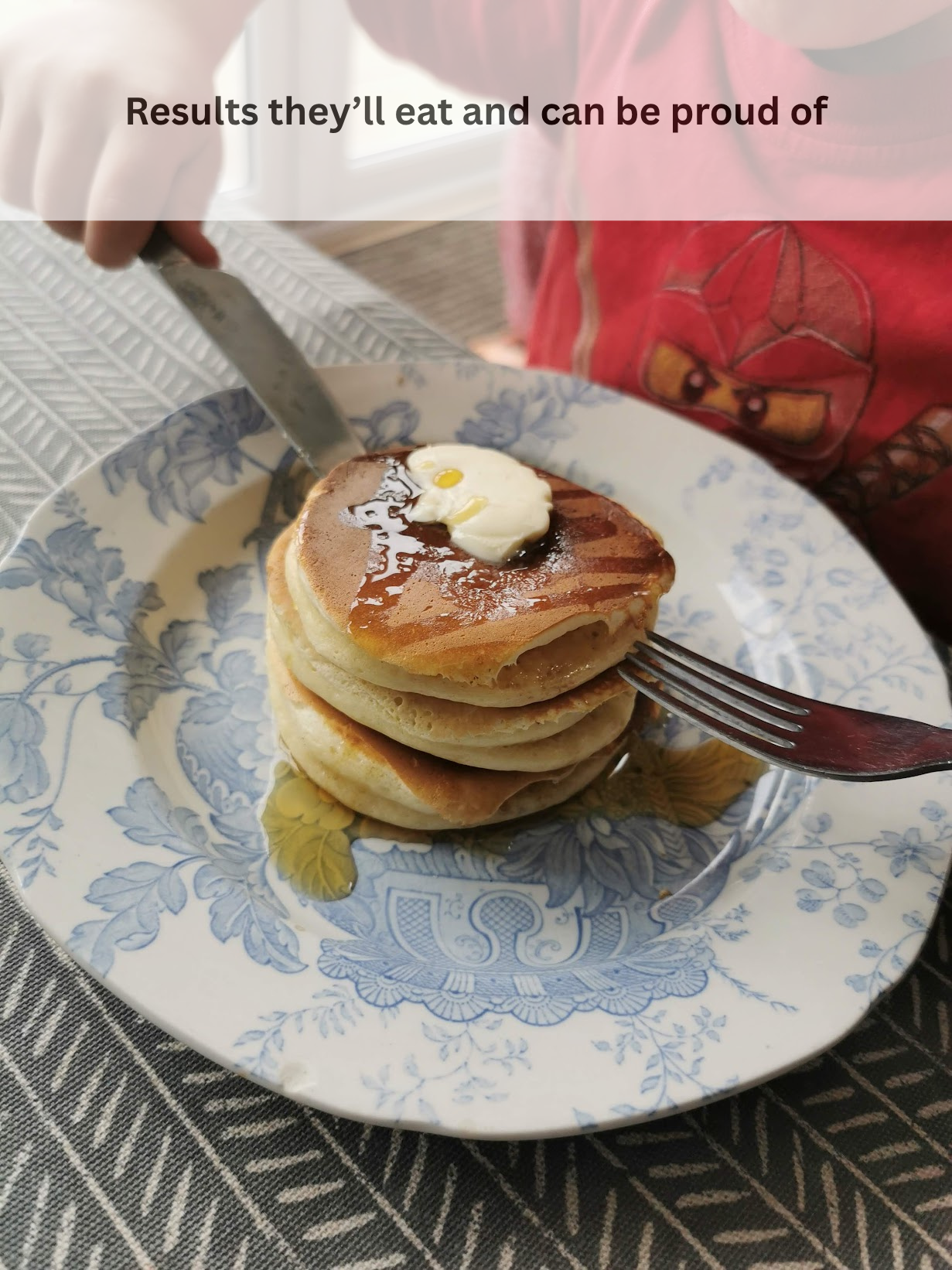
Child eating pancakes made with a ClearCook visual recipe
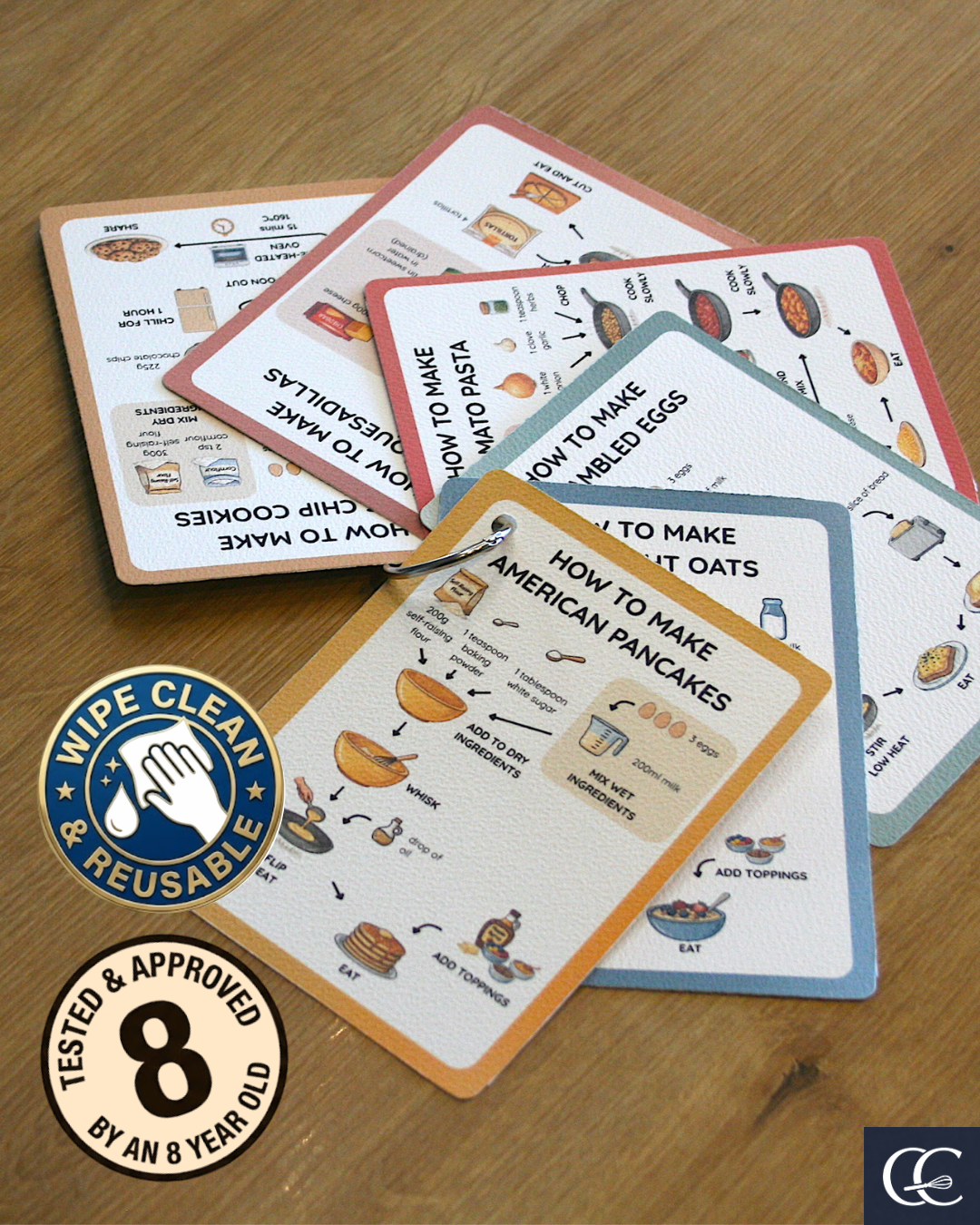
Best First Recipes for Kids guide illustrated with ClearCook visual recipe card imagery.

Choosing a child's first recipe sounds simple until you are standing in the kitchen with flour on the counter, a child who wants to do everything, and a small voice in your head asking whether this is going to be fun or a disaster.

The best first recipes for kids are not the fanciest recipes. They are short, familiar, forgiving recipes that give children real jobs they can manage: pouring, stirring, measuring, scooping, spreading or assembling.

A first cooking activity should be chosen by confidence level before age. A nervous 8-year-old may need a no-cook recipe first. A steady 5-year-old may be ready to mix pancake batter while an adult owns the pan. The right recipe is the one that lets the child succeed safely today.

Start with confidence, not the birthday

Age bands are helpful, but they can trick parents into expecting too much or too little. Confidence is usually a better guide. Ask what your child can do calmly for a few minutes, whether they can stop when asked, and whether the recipe has a clear adult-help moment.

No-cook recipes are not babyish. They teach the rhythm of cooking without the biggest safety worry: gather ingredients, measure, mix, finish and tidy. Once that feels calm, you can add one adult-supported hot step, then move into baking.

Confidence level
Good first recipes
Why it works
Just starting
Overnight oats, yoghurt pots, sandwiches, wraps, fruit salad and simple salads.
These recipes let children pour, stir, layer, spread and sprinkle without waiting for a pan, oven or tricky timing.
Ready for one hot step
Pancakes, scrambled eggs, cheese quesadillas, toasted wraps and simple tomato pasta sauce.
The child can own measuring, cracking, whisking or assembling while the adult clearly owns the hob and hot surfaces.
Confident beginner
Chocolate chip cookies, muffins, banana bread, fairy cakes, tray bakes and tomato pasta.
These recipes introduce longer sequences, waiting time and oven support while still giving children rewarding hands-on jobs.

Why pancakes are such a good first cooking card

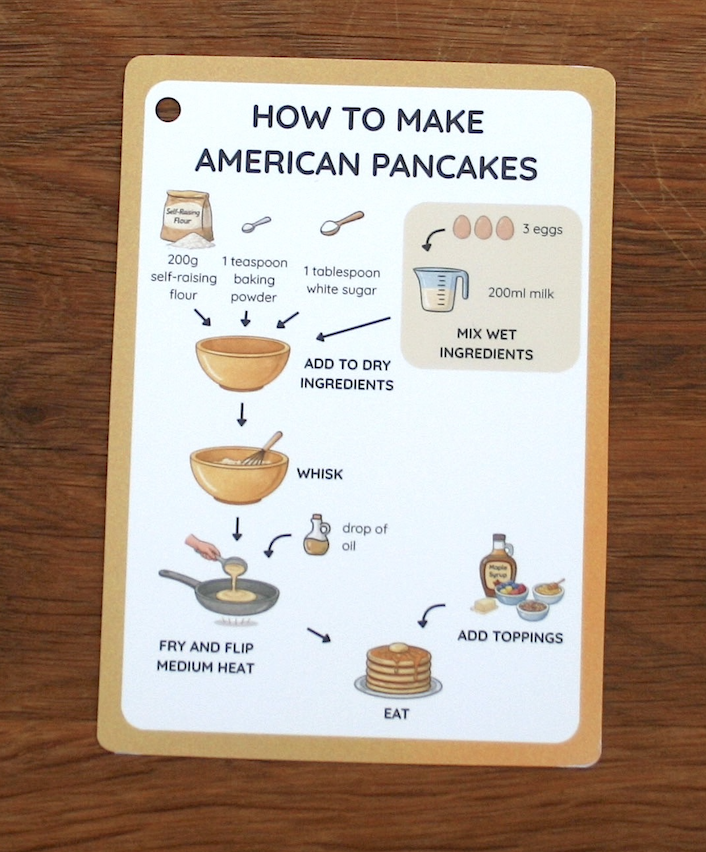
Pancakes work beautifully because children can see each stage clearly. Flour goes in, egg cracks in, milk pours in, batter changes texture, bubbles appear in the pan and toppings finish the job.

That does not mean a child needs to make pancakes alone. A good first pancake session might mean the child follows the picture recipe, measures ingredients, mixes the batter and chooses toppings while the adult manages the hob, pan movement and hot pancake.

This is what a good first recipe should do: make the child feel like a real cook without handing them a risk they are not ready to own.

The single pancake card is a low-pressure way to test visual recipes with one familiar, rewarding recipe.

Start with pancakes

No-cook first recipes still teach real cooking

If your child is nervous, impulsive, very young or easily overwhelmed, begin without heat. Overnight oats, yoghurt pots, sandwiches, wraps and fruit salad all give children a real finished food without putting a hot pan in the middle of the learning.

These recipes practise ingredients, order, measuring, pouring, mixing and tidying. They also make it easier for adults to stay calm, which matters more than any perfect teaching script.

Best no-cook first recipe

Overnight oats are calm because there is no hob, no oven and no rush. Children still get a complete recipe rhythm: gather, measure, mix, finish and put it in the fridge.

When to add heat or baking

Add heat when your child can already follow a short sequence and accept that the hot step belongs to the adult. Scrambled eggs and quesadillas can work well because the child can prepare the mixture or filling before the adult controls the pan.

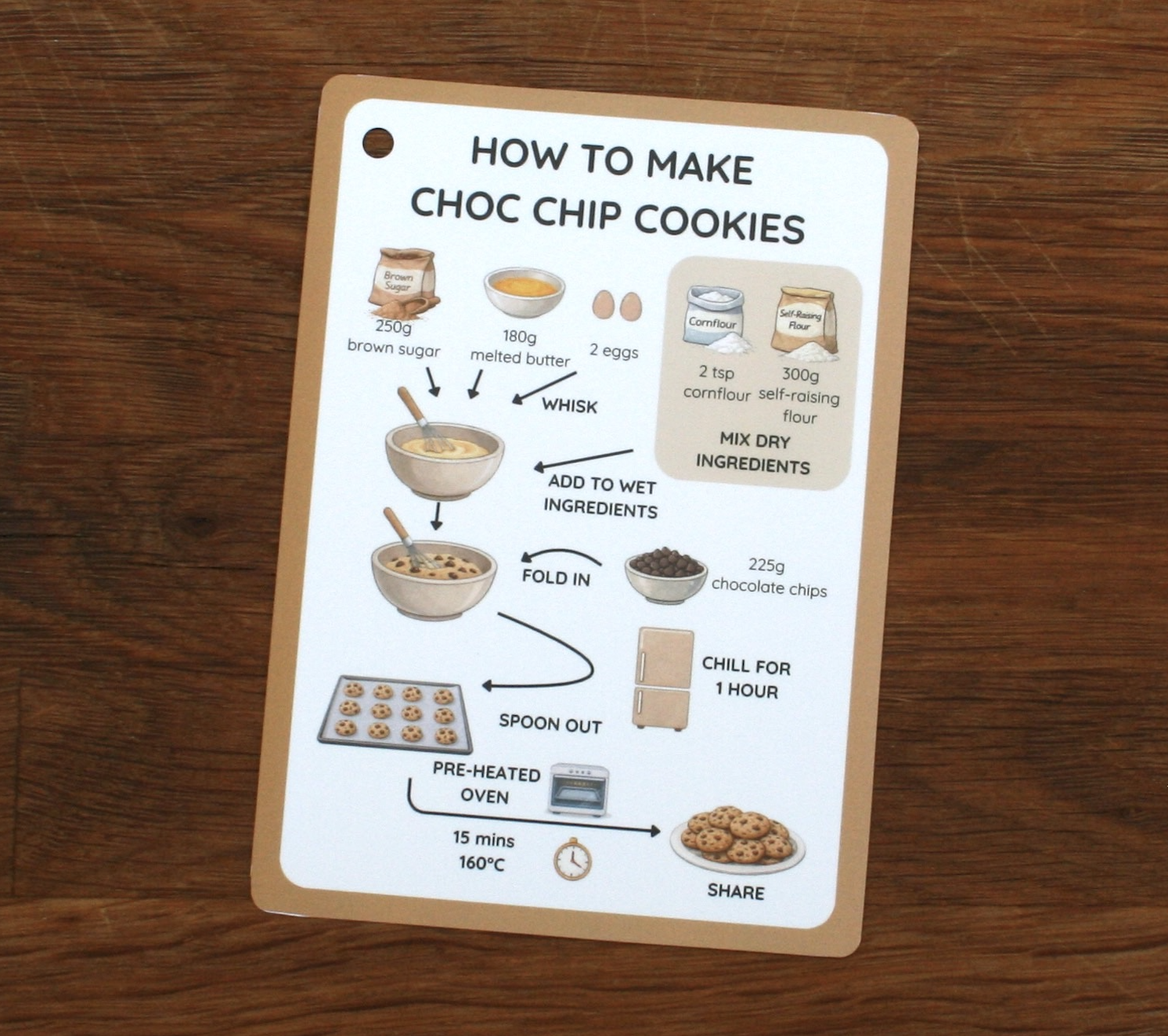
Baking is often a lovely next step because it is tactile and rewarding. Chocolate chip cookies give children measuring, mixing and scooping jobs, then the adult handles the hot trays and oven. The waiting time becomes part of the learning: food changes, cools and is shared.

A calmer first-recipe setup

  • Clear the worktop before inviting your child over.
  • Set out only the ingredients the child needs for the next stage.
  • Use a large bowl, a tray for spills and a cloth nearby.
  • Name the child job and adult job before you begin.
  • End with one progress note, not a list of corrections.

Pick one familiar recipe, give your child one real job, and build confidence before adding more cards.

Start with pancakes

Make progress visible

The Cooking Passport gives children a simple way to mark recipes cooked, skills practised and confidence gained.

Open the Cooking Passport

New cards

Hear first about new cards

Get a short note when new ClearCook wipe-clean cards and useful family cooking resources are released.

We'll send a ClearCook magic link so you can open the site logged in. Marketing emails are only sent if you tick the optional box below.

FAQs

Common questions

What is the best first recipe for kids?

The best first recipe is usually one with simple, visible jobs such as pouring, stirring, measuring or layering. Overnight oats, yoghurt pots, wraps and fruit salad are good no-cook starters. Pancakes and scrambled eggs are good next steps when a child is ready for one adult-supported heat step.

What can a 5-year-old cook?

Many 5-year-olds can help with pouring, stirring, spreading, sprinkling, mashing, mixing batter and assembling simple foods. Some can crack eggs into a bowl or scoop pancake batter with help. They still need close adult supervision.

At what age can children cook independently?

There is no single age. It depends on confidence, maturity, attention span and the recipe. A safer way to think about it is child-led, adult-supervised cooking.

Are pancakes a good first recipe for kids?

Yes. Pancakes are a brilliant early recipe because they involve measuring, mixing, scooping and choosing toppings. An adult should manage the hob and hot pan.

Are cookies a good first bake for children?

Cookies are one of the best first bakes because children can measure, mix and scoop the dough. An adult should handle oven trays and hot surfaces.

How do I make cooking with kids less messy?

Choose a short recipe, clear the worktop, set out ingredients first, use a large bowl, keep a cloth nearby and give your child one job at a time.

What are visual recipes?

Visual recipes use pictures, short prompts and clear sequencing so children can follow cooking steps without relying on long written instructions.

What age are ClearCook cards for?

ClearCook is mainly designed for children aged around 4 to 11, with adult support adjusted to the recipe, child and safety risks.

Do children still need adult supervision?

Yes. Children can lead safe jobs, but adults should supervise heat, knives, graters, allergens, heavy equipment and hygiene checks.

Why use wipe-clean cards instead of a phone?

Wipe-clean cards stay visible, do not lock or scroll, and can handle flour, sauce and sticky hands better than a phone in the middle of cooking.