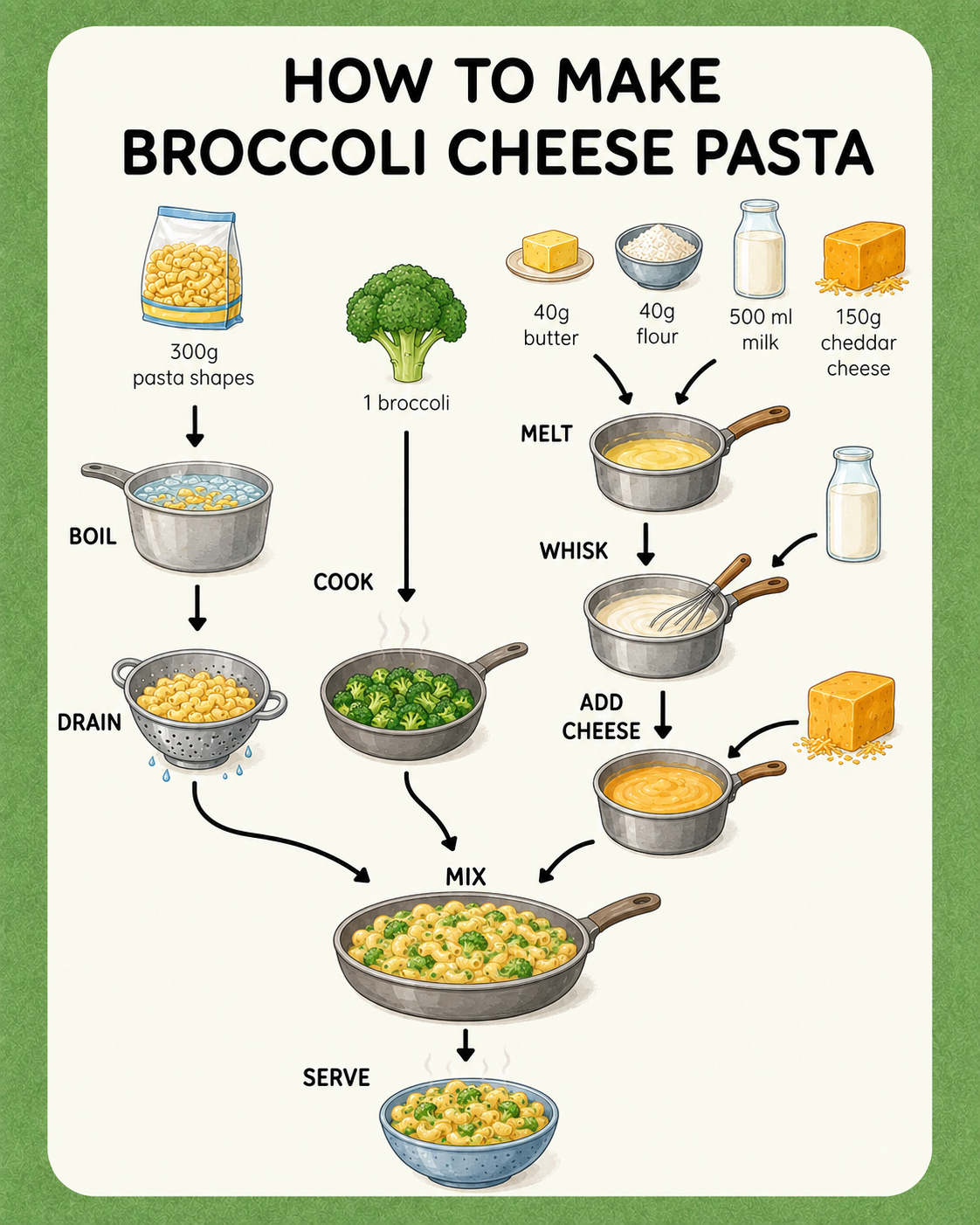
Pesto Pasta

A picture-led pesto pasta for kids, made with fresh basil, pine nuts, Parmesan and olive oil.

EasyAges 7-11Adult help needed25 minMakes 4 portionsKids' score 5/5

Prep 10 min · Cook 15 min

Mark as cooked
Share this recipe
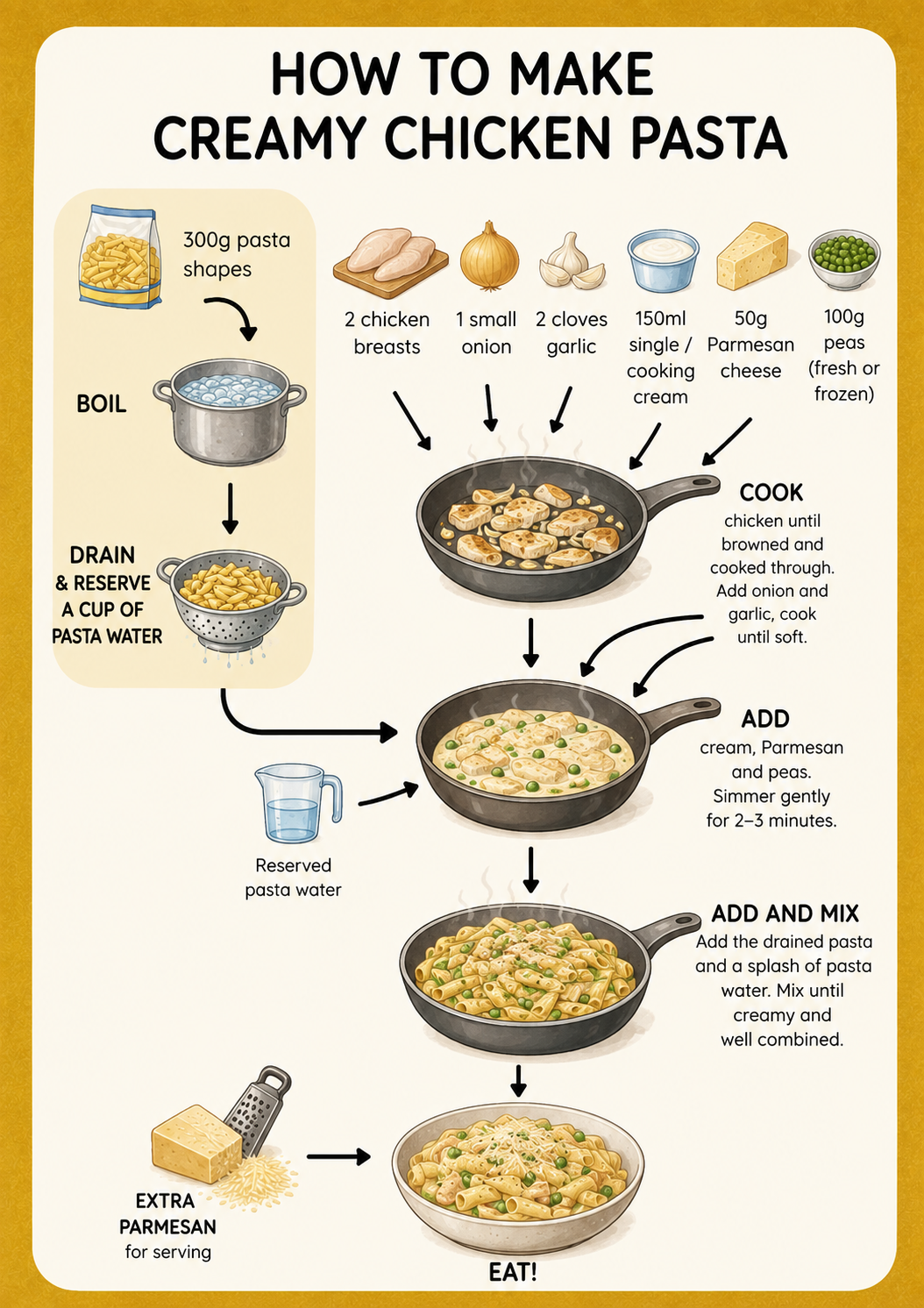
Visual pesto pasta recipe card showing basil, garlic, pine nuts, Parmesan and olive oil blended and tossed with pasta.
Picture-led Pesto Pasta recipe card for children.

For grown-ups

Ingredients

AmountIngredient
300 gpasta shapes
50 gfresh basil
1garlic clovepeeled
30 gpine nuts
25 gParmesan cheesefinely grated, plus extra to serve if liked
2 tbspolive oil

Equipment

  • Kitchen scales
  • Measuring spoons
  • Cheese grater
  • Colander
  • Large saucepan
  • Food processor or small blender
  • Spatula
  • Mug or heatproof jug
  • Large frying pan or clean pasta pan
  • Wooden spoon
  • Oven gloves

Step-by-step written method

1

Prepare the pesto ingredients

Wash and thoroughly dry 50g basil. Peel 1 garlic clove, weigh 30g pine nuts, grate 25g Parmesan and measure 2 tablespoons olive oil.

Child-friendly: Dry the basil. Measure everything. Grate the cheese.

Safety: Supervise the grater and keep pine nuts away from anyone allergic.

Tip: Dry basil makes a fuller-flavoured pesto.

2

Boil the pasta

Adult help

Cook 300g pasta shapes in a large saucepan of boiling water for the packet time, until tender with a little bite.

Child-friendly: Boil the pasta for the packet time.

Safety: Boiling water and the heavy saucepan need adult supervision.

Tip: Set a timer and stir carefully once or twice.

3

Save water and drain

Adult help

Before draining, an adult should scoop out a mugful of cloudy pasta water. Drain the pasta carefully in a colander.

Child-friendly: Save some pasta water. Ask an adult to drain.

Safety: Boiling water and steam can cause serious burns.

Tip: You will probably need only a few spoonfuls of the reserved water.

4

Load the processor

Adult help

Put basil, garlic, pine nuts, Parmesan and olive oil into a food processor. An adult should fit the blade and lock the lid.

Child-friendly: Put the pesto ingredients in the processor.

Safety: Keep hands away from the blade and operate only with the lid locked.

Tip: Oil over the top helps the mixture begin to move.

5

Blend the pesto

Adult help

Pulse until the pesto is mostly smooth. With the machine switched off and unplugged, an adult should scrape the bowl. Add pasta water 1 tablespoon at a time only if needed, then pulse again.

Child-friendly: Pulse until smooth. Add a little water if needed.

Safety: Unplug before scraping; an adult handles the blade and bowl interior.

Tip: Tiny basil and pine-nut flecks are fine.

6

Toss everything together

Adult help

Put drained pasta and pesto into a large frying pan or clean pasta pan over medium-low heat. Add a small splash of reserved water and toss for 1 to 2 minutes until coated and creamy.

Child-friendly: Add pasta, pesto and a splash of water. Mix until creamy.

Safety: The pan and pasta are hot; stir slowly to prevent splashes.

Tip: Avoid high heat, which dulls basil and can make cheese oily.

7

Check the sauce

Adult help

If the pasta looks dry, add more reserved water one tablespoon at a time. If sauce pools in the pan, keep tossing gently over low heat for another minute.

Child-friendly: Make the sauce glossy and creamy.

Safety: Ask an adult to steady the pan while mixing.

Tip: Stop while the coating is slightly loose because pasta keeps absorbing it.

8

Serve

Spoon into bowls and top with extra Parmesan and basil if liked. Serve promptly and let each child's portion cool enough to eat.

Child-friendly: Add extra cheese or basil if you like. Enjoy!

Safety: Pesto-coated pasta retains heat beneath its fresh-looking surface.

Tip: Fresh pesto pasta tastes brightest straight away.

Why this works well for children

Pesto pasta gives children a strong confidence loop because the transformation is immediate and visible: leafy basil, firm nuts and grated cheese become a vivid paste, then starchy water turns that paste into a sauce. They practise weighing, pulsing and adjusting by spoonfuls rather than simply following a timer. The adult boundary is compact and memorable—blade, boiling-water drain and hot finishing pan—so the child can own most of the ingredient work without the recipe feeling tokenistic.

How to make this one go smoothly

Wash the basil, then dry it thoroughly between clean tea towels or in a salad spinner. Water clinging to the leaves dilutes flavour and can make the pesto look thin before pasta water is even added. Grate the Parmesan and measure everything before the saucepan boils.

Choose a processor bowl small enough for this modest batch. Put basil in first, then garlic, pine nuts and Parmesan, with oil over the top. If ingredients sit above the blades, pulse, switch off and unplug, then let an adult scrape them down rather than adding water immediately.

Treat pasta water as an ingredient. Place a heatproof mug beside the hob before cooking so the adult remembers to scoop it out before draining. Its starch is what makes pesto creamy around pasta even though the card includes no cream.

Blend with short pulses and judge the texture after scraping once. The pesto does not need to be perfectly uniform; tiny flecks of basil and pine nut give it character. Add water by tablespoons only when the mixture will not circulate or looks too stiff to coat pasta.

Use medium-low rather than fierce heat for the final toss. Add pesto, pasta and one small splash of water, then fold until glossy. If it pools at the bottom, keep tossing for a minute; if it looks dry, add one more spoonful of water.

Serve as soon as the coating looks right because pasta keeps absorbing moisture. Extra Parmesan and basil are optional finishing jobs children can control. Cool any leftovers promptly rather than leaving them in the warm pan.

What kids can do independently

  • Weighing
  • measuring
  • washing and drying herbs
  • grating
  • processor safety
  • pulsing
  • scraping down
  • boiling
  • draining
  • reserving pasta water
  • emulsifying
  • tossing
  • judging sauce consistency

These are the child-led jobs to offer first. Keep the adult jobs separate, then hand over one small task at a time so the recipe still feels calm.

Nutrition information

Calories
410 kcal
Protein
13g
Carbohydrates
55g
Fat
15g
Fibre
3g
Sugar
3g
Salt
0.3g

Allergens, swaps and storage

Contains or may contain: gluten, dairy, pine nuts. Always check packet labels before cooking.

Simple substitutions usually work best when they keep the same texture and cooking time. Store leftovers safely once cool and follow normal food hygiene guidance.

What adults should supervise

Name the processor rule before ingredients go in: hands and tools enter only when the machine is switched off, unplugged and the adult is managing the blade. Children can own the satisfying pulse button without ever needing to touch the sharp part.

The boiling-water stage is brief but adult-led. Set the colander securely in the sink and a heatproof mug beside the pan before pasta is ready. The adult scoops out water and drains while the child waits clear of steam.

During the final toss, thick pesto can spit if stirred quickly and the pan may move. Use low heat, turn the handle inward and let the child stir slowly with an adult steadying the pan if needed. The sauce and pasta remain hotter than their fresh green appearance suggests.

  • Supervise grating and use a wide bowl so the child can stop before fingertips reach the small Parmesan end.
  • An adult should assemble, remove and clean the food-processor blade. Treat it as sharp even when the machine is unplugged.
  • Never scrape a processor bowl while connected to power. Switch off, unplug, wait for the blade to stop and use a spatula.
  • An adult should reserve pasta water and drain the heavy saucepan while children stay away from boiling water and steam.
  • Keep the finishing-pan handle turned inward and use medium-low heat. Useful support is steadying the pan while the child folds rather than stirs vigorously.
  • Pasta and Parmesan introduce gluten and milk. Pine nuts are outside the regulated UK tree-nut list but can still trigger serious reactions, so check with everyone eating and prevent cross-contact.
  • If substituting nuts, seeds, cheese or pasta, check the complete packaging rather than assuming the swap removes every allergen.
  • Cool leftovers and refrigerate within 2 hours, eat within 48 hours and reheat only once until steaming hot throughout.

Parent FAQ

Is pesto pasta a good recipe for children to make?

Yes. Most jobs happen away from heat: children can wash and dry basil, weigh pine nuts, grate with supervision, measure oil and load the processor. The quick change from separate ingredients to green pesto feels impressive, while the adult retains the blade, boiling-water and hot-pan jobs.

What can children do with the food processor?

Children can add ingredients, lock the lid if the machine design is familiar and press the pulse button with an adult beside them. The processor must be switched off and unplugged before scraping the bowl. An adult should always fit, remove and wash the blade because it remains sharp even when stationary.

Why is my pesto too thick or too runny?

Basil dryness, Parmesan and processor size all affect texture. If the blade cannot move the mixture, add reserved pasta water one tablespoon at a time and pulse again. If pesto becomes loose, avoid adding more water and toss it with hot pasta briefly so the starch helps it cling.

Why reserve pasta water?

The cloudy water contains starch released by the pasta. A small amount helps pesto, oil and Parmesan form a glossy coating rather than sitting in separate oily patches. Reserve a mug before draining, but expect to use only a few tablespoons.

Can I replace the pine nuts or Parmesan?

Pine nuts can be replaced by a seed or another nut that is safe for everyone eating, although flavour and texture will change. Parmesan can be replaced with another finely grated hard cheese or a suitable dairy-free alternative. Check every label and avoid cross-contact because people can react to pine nuts and other ingredients outside the 14 regulated allergens.

How should leftover pesto pasta be stored?

Cool leftovers promptly, cover and refrigerate within 2 hours, then eat within 48 hours. Reheat only once until steaming hot throughout, or eat cold only if it was cooked, cooled and refrigerated safely. A splash of water can loosen the pasta, but reheated basil pesto will lose some of its bright colour.

ClearCook Cooking Passport

Cooked it?

Mark this recipe as done and add it to your ClearCook Passport — a private record of every meal cooked.

View passport