ClearCook parent guide

Visual Cooking for Autism

Quick answer: Visual cooking can support autistic children by making the recipe predictable: what ingredients are used, what happens next and when the recipe is finished.

Clear visual structure can reduce uncertainty in a sensory, busy space like a kitchen. The goal is not to force independence, but to offer a predictable route through the activity.

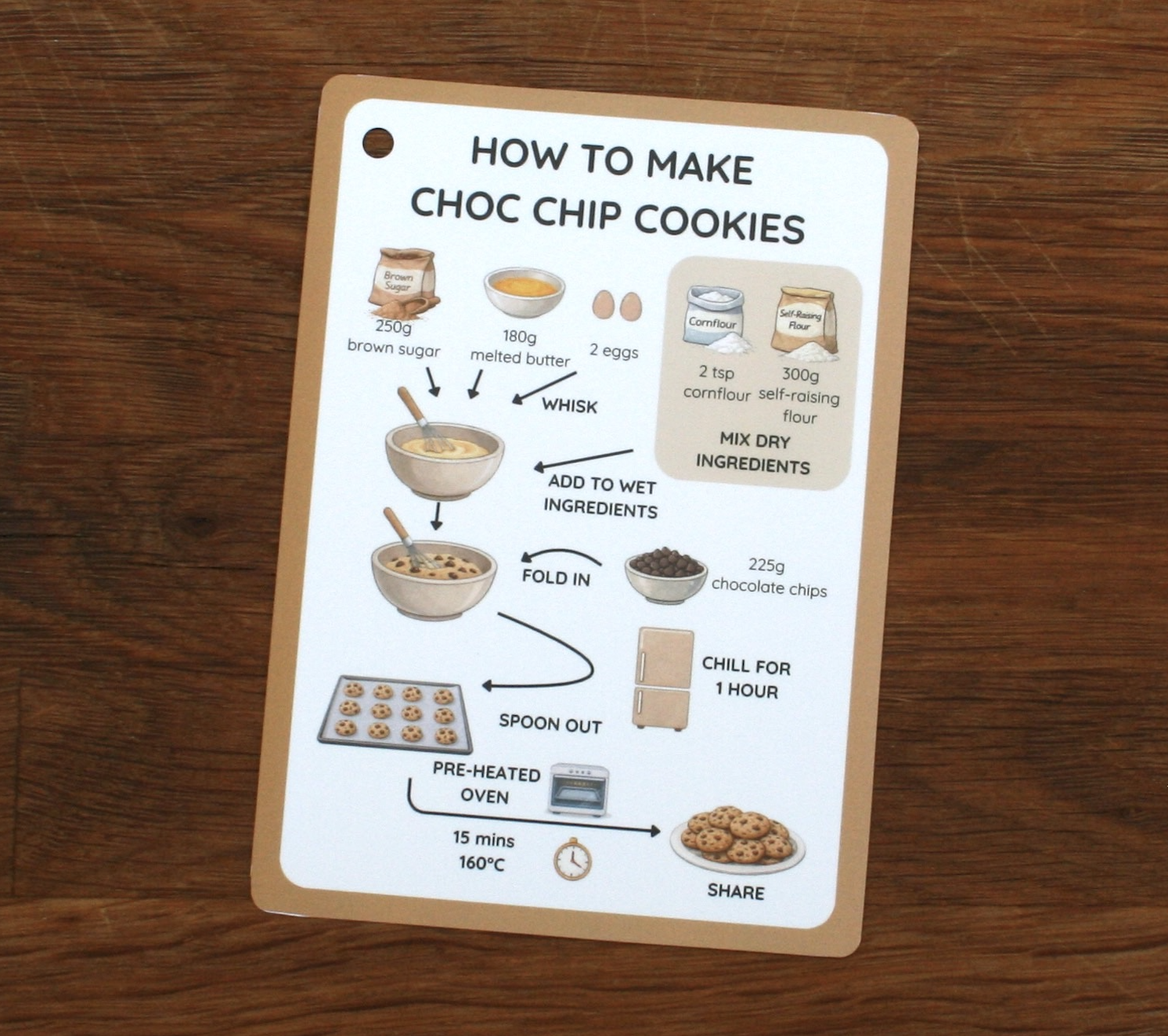
Chocolate chip cookie visual recipe card
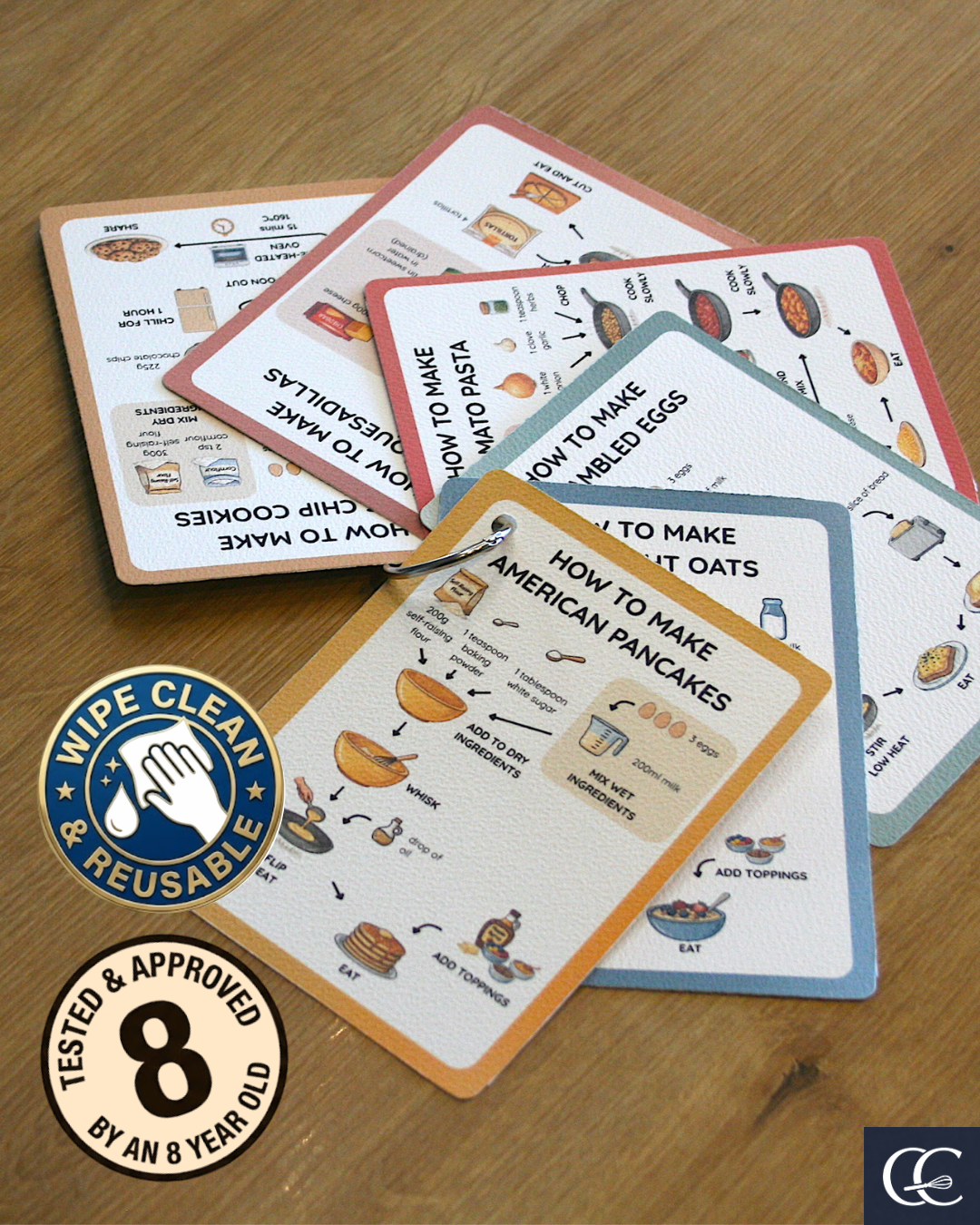
Visual Cooking for Autism guide illustrated with ClearCook visual recipe card imagery.

Parent-facing explanation

How to use this in a real kitchen

Preview the whole activity

Seeing the beginning, middle and end can make a cooking task feel more manageable.

Keep language concrete

Picture prompts and short step text reduce ambiguity compared with long recipe instructions.

Respect sensory preferences

Choose recipes around textures, smells and sounds your child can tolerate, then expand gently if they want to.

From the cards

Small tips that make cooking calmer

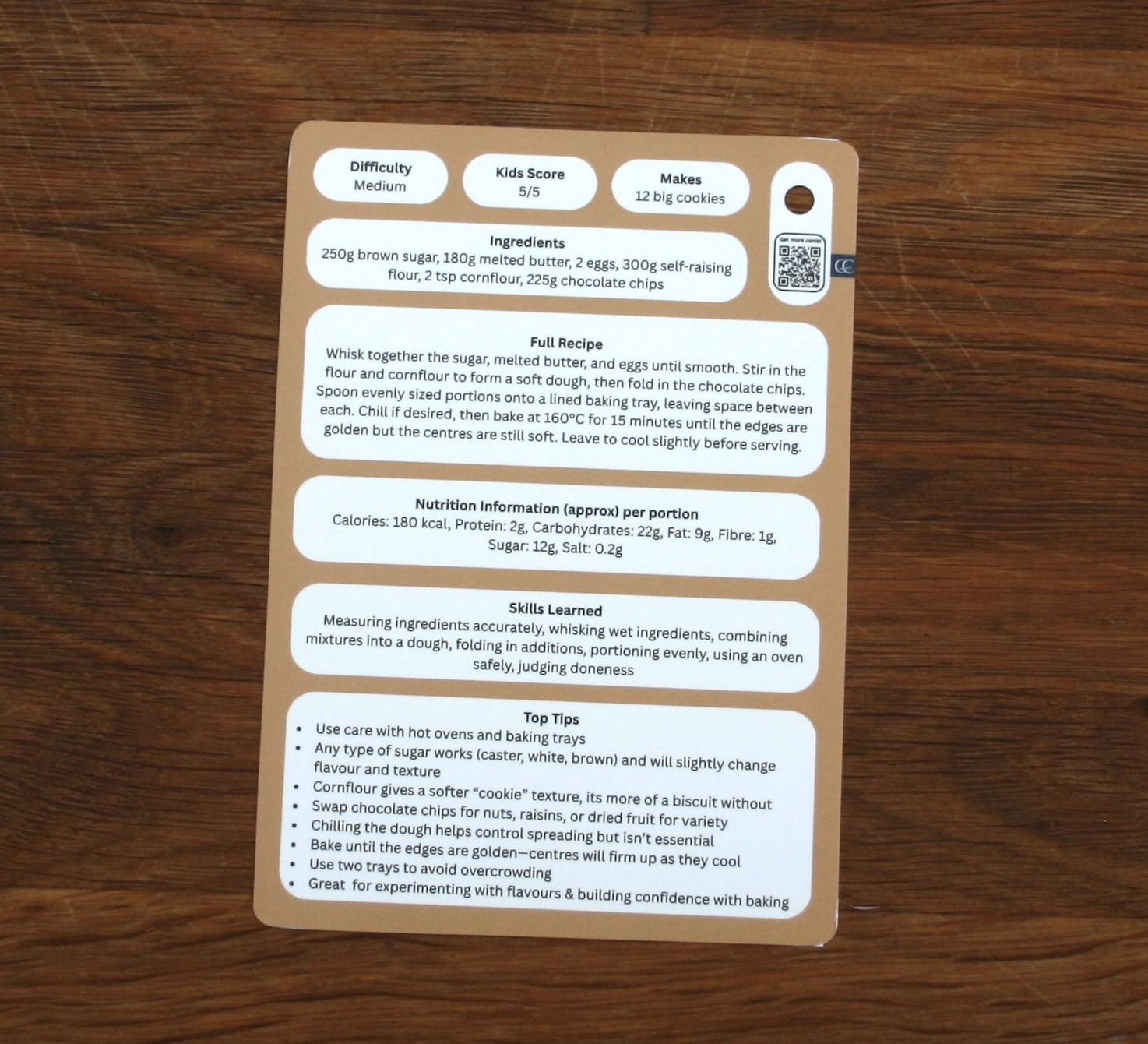
These are the practical details that bring the reverse of a recipe card to life: preparation, safety, sequencing and confidence.

  • Show the card before cooking and agree which steps the child wants to do.
  • Offer a predictable ending routine: taste, wipe card, tick passport, clean hands.
  • Use familiar recipes before introducing new smells or textures.

Internal links

Keep exploring

Move from guide to action: choose a recipe, pick cards, or track progress.

Make progress visible

The Cooking Passport gives children a simple way to mark recipes cooked, skills practised and confidence gained.

Open the Cooking Passport

New cards

Hear first about new cards

Get a short note when new ClearCook wipe-clean cards and useful family cooking resources are released.

We'll send a ClearCook magic link so you can open the site logged in. Marketing emails are only sent if you tick the optional box below.

FAQs

Common questions

Are visual recipes suitable for autistic children?

They can be helpful for some autistic children because they make routines visible, but every child and sensory profile is different.

How can I make cooking less overwhelming?

Preview the card, reduce clutter, choose familiar foods, and allow the child to opt into specific steps.

Should I use rewards?

A Cooking Passport can mark progress, but the main reward should be confidence, choice and a recipe that feels achievable.

What are visual recipes?

Visual recipes use pictures, short prompts and clear sequencing so children can follow cooking steps without relying on long written instructions.

What age are ClearCook cards for?

ClearCook is mainly designed for children aged around 4 to 11, with adult support adjusted to the recipe, child and safety risks.

Do children still need adult supervision?

Yes. Children can lead safe jobs, but adults should supervise heat, knives, graters, allergens, heavy equipment and hygiene checks.

Why use wipe-clean cards instead of a phone?

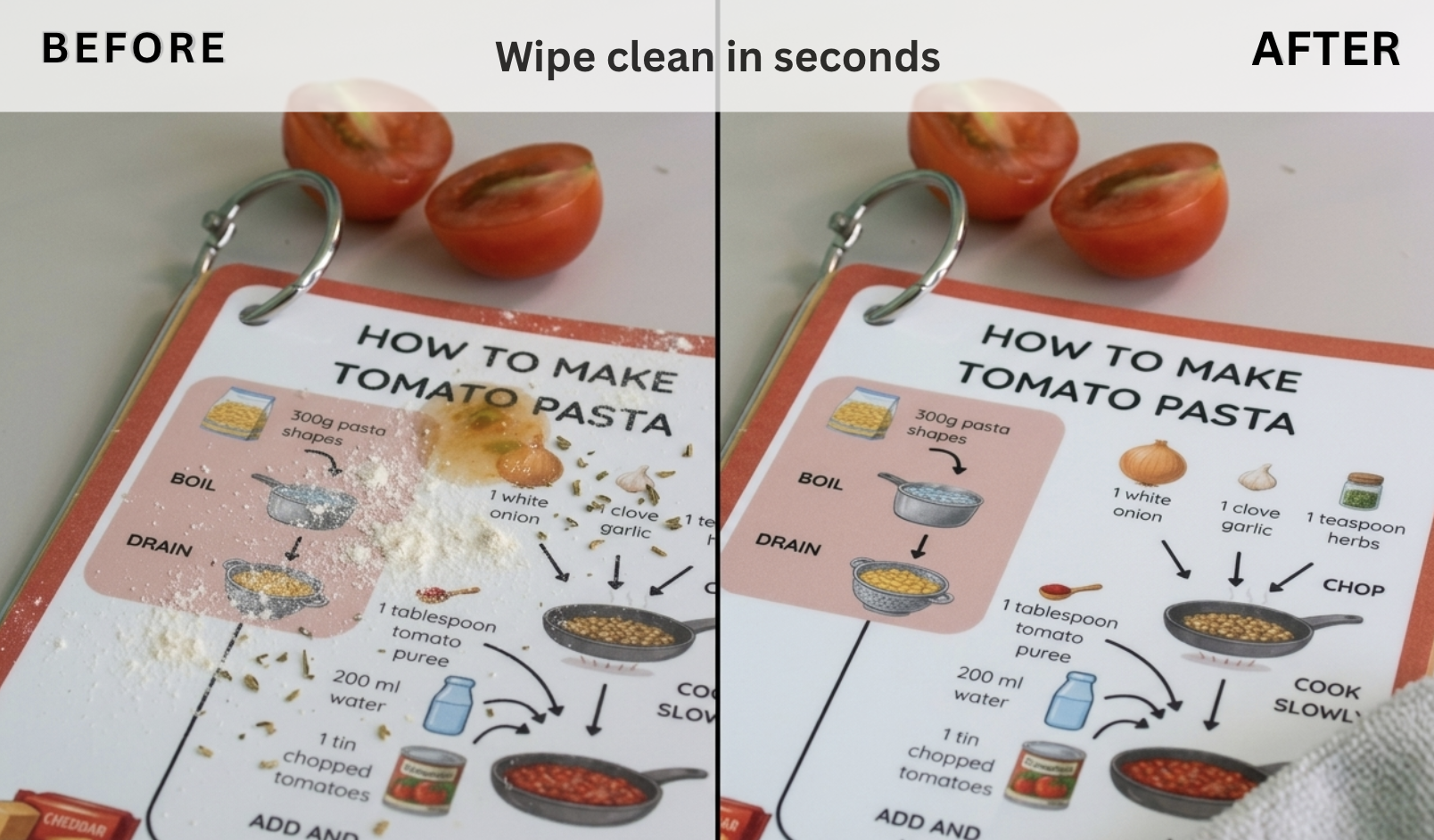
Wipe-clean cards stay visible, do not lock or scroll, and can handle flour, sauce and sticky hands better than a phone in the middle of cooking.